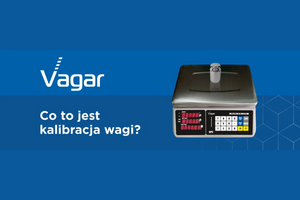

Scale calibration is the process of determining and verifying measurement accuracy. It is carried out to ensure that results comply with established standards. Calibration is essential for maintaining measurement accuracy in trade and industry.
Verification (legalization), on the other hand, is the official confirmation that a scale complies with national regulations. Legalization is mandatory and legally regulated, and it is performed by authorized metrological institutions.
Both calibration and verification are important for ensuring measurement precision and reliability. They are crucial for maintaining the quality of commercial operations. Regular inspection and verification help prevent errors and financial losses caused by inaccurate measurements — especially in retail, where weighing precision directly affects product pricing.
Key differences between calibration and legalization
Calibration and verification differ in purpose and method.
Calibration is the adjustment of scales by the manufacturer or user to ensure measurement accuracy. It may involve fine-tuning but does not end with legal confirmation.
Verification (legalization) is mandatory when scales are used for commercial transactions and customer settlements. It is performed by accredited metrological authorities and confirms that the scales comply with official standards. The process concludes with the issuance of a certificate of verification, which officially confirms compliance.
If scales are used for internal operations (technological or warehouse weighing), legalization is not required. This saves costs both during purchase and later use, since there is no need for periodic re-verification.
So, what’s the difference?
-
Calibration focuses on measurement accuracy,
-
Verification (legalization) focuses on official confirmation of that accuracy.
In short, legalization is mandatory for trade, while calibration helps maintain and improve measurement precision.
Scale legalization process: stages and participants
The legalization process consists of several steps:
-
External inspection of the scale for visible damage.
-
Verification of compliance with technical requirements.
-
Technical testing — including weighing using certified reference weights.
-
Application of a verification seal and issuance of a certificate.
Who performs verification in commercial enterprises?
Legalization is conducted by accredited institutions or authorized companies. The process also includes testing the scale’s performance under operating conditions to prevent measurement errors and maintain customer trust.
Scale calibration process: stages and specifics
The calibration process includes the following steps:
-
Preliminary inspection and cleaning of the scale.
-
Testing accuracy using reference weights.
-
Adjustment and correction to eliminate deviations.
Calibration can be performed by the user or by a professional service, such as VAGAR.PL.
Both calibration and verification are necessary for ensuring measurement precision and long equipment lifespan.
Regular calibration helps detect and correct deviations early — crucial for businesses that require highly accurate measurements.
It supports high standards of quality and reliability in daily operations.
Recommendations for calibration and verification in commercial enterprises
To ensure measurement accuracy in trade and industry, it is recommended to:
-
Perform regular verification according to applicable standards;
-
Conduct calibration whenever accuracy is in doubt;
-
Recalibrate after changes in operating conditions (e.g., relocation, vibration, or temperature shifts).
Routine verification and calibration guarantee consistent accuracy, compliance with quality standards, and customer satisfaction.
Proper calibration and legalization help reduce risk and increase operational efficiency.
Verification (legalization) includes inspection, technical testing, and certification — ensuring compliance with metrological standards.
Regular and correct calibration and verification of scales in commercial enterprises guarantee accurate measurements and legal operation.
Contact VAGAR.PL to purchase verified or non-verified scales.
Our catalog includes bench scales, pallet scales, retail scales, beam scales, platform scales, crane scales, and pallet trucks with integrated weighing systems.